
Logo
Get Estimate

Burst Pipe Water Extraction in Connecticut

We remove burst-pipe water and protect your home


Burst Pipe Water Extraction in Connecticut gets standing water out of homes, apartments, and businesses before it spreads farther into floors and walls. If a supply line splits, a radiator leaks, or a pipe freezes during a cold snap, our crew responds across the state with extraction equipment and a clear drying plan. We handle the immediate water removal, document affected areas, and explain the next steps so you can act quickly.

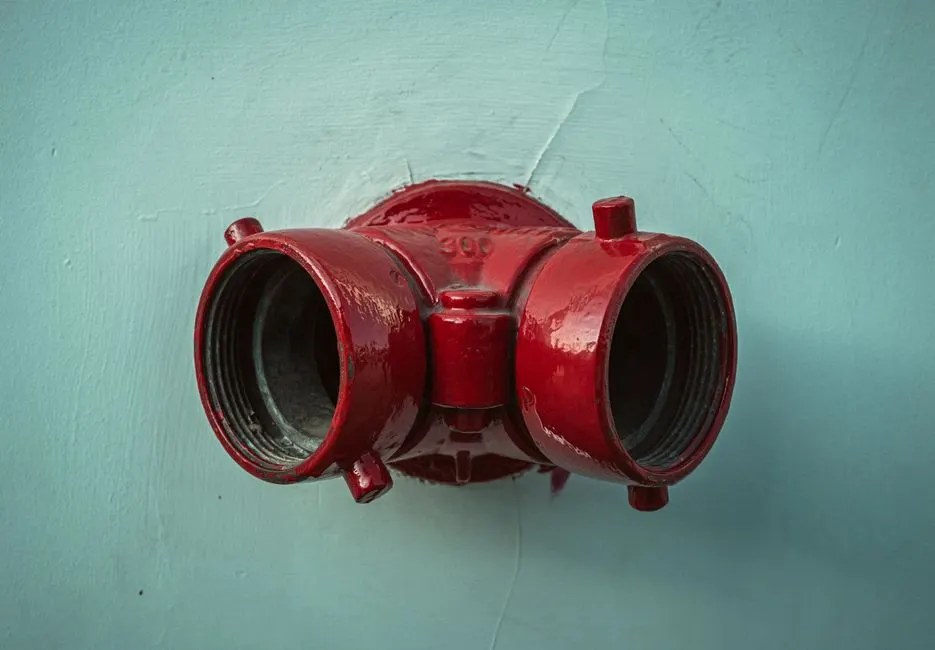
A vibrant red fire hydrant contrasts against a light blue wall, showcasing urban infrastructure.
Licensed Licensed & Bonded
Fully Insured Insured & Bonded
24/7 Emergency Same-Day Response
Warranty Backed Workmanship Guaranteed

What Burst Pipe Extraction Includes

Burst Pipe Water Extraction covers the immediate removal of standing water and an assessment of moisture in nearby building materials. We document the affected area, select equipment for the room and water depth, and monitor drying where included in the agreed work. Cleaning, structural repairs, plumbing replacement, and reconstruction are separate tasks when the damage requires them. We explain the work and pricing up front before proceeding.

Water Source Assessment

We identify the reported break area and assess the water's path through the affected rooms. This includes noting visible pooling, vulnerable finishes, and access concerns. If a plumber must repair the line, we coordinate the extraction sequence around the point when the leak is controlled.
Bulk Water Extraction

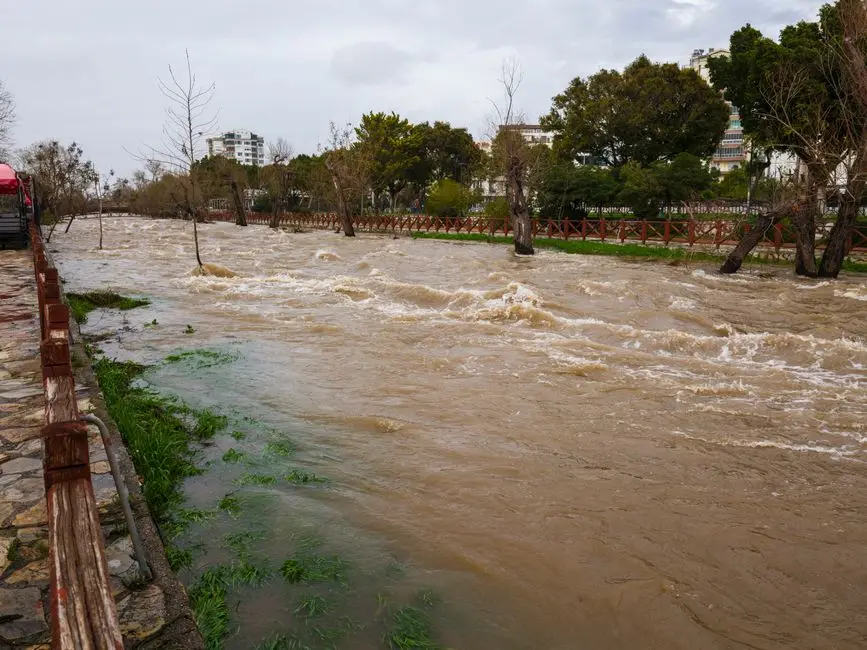
We remove accessible standing water with equipment selected for the depth and floor surface. A submersible pump clears deeper pools, while a portable extractor or truck-mounted unit handles other areas. Water-absorbent extraction pads help lift residual moisture from suitable hard surfaces.

Moisture Mapping

We check affected surfaces and nearby areas with a moisture meter, noting readings that indicate continued drying needs. This helps identify hidden moisture in walls and flooring that can remain after the visible water is gone. The readings guide where equipment is placed and what we recheck.

Drying Equipment Setup

Where the materials and conditions support drying in place, we position air movers and a commercial dehumidifier to encourage evaporation and remove moisture from the air. We explain equipment operation, access, and the expected monitoring schedule. Drying duration depends on saturation, material, and airflow.

Progress Documentation

We record affected areas and follow-up moisture readings so you can track the change from the initial condition. Documentation gives you practical information for insurance conversations and repair planning. If readings show materials are not drying as expected, we adjust the plan and explain the reason.

Burst Pipe Water Extraction in Connecticut


Burst Pipe Water Extraction in Connecticut is an emergency water mitigation service that removes water released by a broken or ruptured pipe before prolonged saturation damages building materials. We stop the spread by locating accessible standing water, extracting it with pumps and high-capacity equipment, and checking nearby floors, walls, and cavities for hidden moisture. The work is more than vacuuming a wet floor: our technicians assess the water source, identify affected materials, and set a practical drying plan. Early extraction reduces the time water remains against wood, drywall, insulation, and finish flooring.

Connecticut homes face frozen pipe water damage during winter cold snaps, as well as leaks from aging plumbing, appliance lines, and heating systems. Basements and crawl spaces can hold water long after the visible puddle is gone, while finished rooms may conceal moisture behind baseboards or under flooring. Our Connecticut Burst Pipe Water Extraction team can extract water after a pipe bursts in a Connecticut home, then use moisture readings to guide drying. We also account for access, building materials, and the conditions at your property.

What to Expect During Service

Burst Pipe Water Removal in Connecticut follows a direct sequence: make the area safe, remove water, map moisture, and dry affected materials. We explain each stage as we work, so you know what is happening in your home and what remains before equipment is removed.

01

Schedule

Call or book online — a real human picks up and confirms a 2-hour arrival window.

02

Diagnose

Licensed tech inspects on-site, then walks you through the cause and your options.

03

Fix

The job is completed to code and done right the first time — no shortcuts, no surprises.

04

Guarantee

Every job backed by a written workmanship warranty — and we stand behind it.

Equipment and Drying Methods

Tools & Equipment

Truck-mounted water extraction unit

This high-volume system removes water quickly from accessible areas when the property layout allows hose access. We use it for substantial water loads and finish with targeted extraction in tighter spots.

Portable extractor

A portable extractor reaches rooms, stairs, and areas where a truck-mounted setup is impractical. It lifts water from suitable flooring and helps remove residual moisture after bulk pumping.

Submersible pump

A submersible pump clears deeper pools in basements and low points. We use it before detailed extraction so drying equipment is not asked to handle standing water.

Moisture meter

A moisture meter checks selected surfaces and materials for remaining dampness. We compare affected readings with appropriate dry areas to guide equipment placement and document progress.

Dri-Eaz commercial dehumidifier

A commercial dehumidifier pulls moisture from the air while air movers encourage evaporation from wet materials. We position it to suit the room, the affected materials, and the measured drying conditions.

Methods & Standards

IICRC Water Damage Restoration Technician practice

We assess the water source and affected materials, remove bulk water, and use moisture readings to plan the next steps. The approach helps separate immediate extraction from structural drying and cleaning decisions, so the work follows the condition of the property rather than a one-size-fits-all setup.

Applied structural drying

We combine controlled airflow with dehumidification and repeat moisture checks. Equipment is placed to move air across affected materials without blocking needed access, and readings guide adjustments. Drying continues until the materials reach appropriate targets, not simply until the room feels comfortable.

EPA-registered product label compliance

When cleaning or antimicrobial treatment is appropriate, we follow the product label for application and safety requirements. We do not substitute chemicals for water removal or drying; those steps come first. The selected treatment depends on the surface, water condition, and the documented need.

Containment and surface protection

Where work conditions require separation, we use polyethylene containment sheeting and moisture-resistant protective coverings to limit disruption to adjacent areas. Personal protective equipment and HEPA filter media are selected for the task. The setup is kept practical, protecting unaffected spaces while preserving safe access.

When to Call for Extraction

01

A supply line bursts under a kitchen sink and water reaches cabinets and the adjoining floor.

What we do: We remove pooled water, check cabinet bases and flooring for moisture, and position drying equipment where readings show saturation. We also document the affected area so you can plan repairs after the leak is fixed.

→ Water is removed from accessible surfaces, and you know whether the cabinets and floor are drying in place or need further repair.

02

A pipe freezes overnight in an exterior wall and leaks into a finished room after thawing.

What we do: We inspect around the wall and nearby flooring, extract any visible water, and use moisture readings to locate damp areas. Drying equipment is set to move air and remove moisture without ignoring concealed spaces.

→ The wet area is mapped and monitored, reducing the chance that hidden moisture goes unnoticed behind finishes.

03

A second-floor bathroom pipe breaks, sending water through the ceiling into a room below.

What we do: We assess both levels, remove standing water from the lower room, and check ceiling edges, walls, and floor materials. Our crew documents the path of water and explains where drying is needed before repairs close the ceiling.

→ You get a coordinated picture of damage on both floors, rather than treating the visible ceiling stain as the only affected area.

04

A basement heating pipe leaks during a winter cold snap and water spreads toward stored belongings.

What we do: We pump deeper water, extract around shelving and mechanical areas, and check the lower walls and floor for moisture. We protect items in the work zone and set drying equipment according to the basement's layout.

→ The basement is cleared of accessible standing water, with a monitored drying plan for materials that absorbed moisture.

How Burst Pipe Service Works in Connecticut

Connecticut weather makes winter pipe breaks a recurring concern: sustained freezing can affect lines in exterior walls, unheated rooms, garages, and crawl spaces. Older homes may have narrow basement stairs, plaster walls, or layered flooring that complicate equipment access and moisture checks. In denser buildings, a leak can cross a ceiling or shared wall, so we inspect adjoining areas rather than treating only the first visible stain. Our pipe leak water mitigation services Connecticut response starts with the water source and the affected materials, then moves to extraction and measured drying. If you need water extraction for a frozen or ruptured pipe in Connecticut, tell us whether the leak is controlled, which floors are wet, and whether the property has a basement or crawl space. We follow applicable safety requirements and product labels; repair work on the plumbing itself is coordinated with a qualified plumbing professional. Spring thaw and heavy rain can also raise basement moisture, so we check whether a pipe release is the only source before setting a plan.

Neighborhoods We Serve

  • Downtown Danbury

    Multi-unit buildings and finished lower levels can make a pipe leak affect more than one room. We check adjoining surfaces and shared boundaries before placing drying equipment.

  • Naugatuck River corridor

    Basement access and lower-level storage are common considerations around the river corridor. We plan pump placement and protect nearby belongings while clearing standing water.

  • Sandy Hook village area

    Detached homes and varied building layouts can mean longer equipment paths from the entry to the leak. We select portable equipment when stairs or room access limit a larger setup.

  • Hazardville residential areas

    Cold-weather leaks in unheated spaces can send water into finished rooms below. We inspect around the suspected line and check nearby floors and walls for concealed moisture.

  • Terryville neighborhood streets

    Older plumbing and basement utility areas call for careful checks around mechanical equipment. We remove water first, then use readings to guide drying around the affected zone.

Local Conditions We Plan For

  • Winter freeze and thaw cycles stress exposed or poorly insulated pipes

    A pipe can split while frozen and release water as it thaws, sometimes before anyone notices. We assess the likely path from the line, including wall cavities and lower floors, and adjust extraction and drying to the affected materials.

  • Older basements contain mixed finishes and limited equipment access

    Stone, masonry, framing, and finished flooring respond differently to water and airflow. Narrow stairs or low clearance can also affect equipment choice. We inspect access first and use a combination of pumping and portable extraction where the layout requires it.

  • Spring storms can add moisture to a pipe-damaged basement

    Rainwater or drainage problems can complicate a plumbing loss and make the source less obvious. We look for the reported pipe release and note other visible water entry, then keep the extraction plan focused on the conditions found at the property.

Finished Basement Pipe Break

Before

A basement supply pipe split and left water across a finished floor, with dampness at the lower wall and storage area. The surface looked less wet after the leak was stopped, but water remained near the baseboards. The homeowner needed to know whether the wall and flooring had absorbed moisture before repair work began.

After

We pumped and extracted the visible water, then checked the lower wall and floor at 12 marked points. Air movers and a dehumidifier ran during monitored drying, with readings reviewed over 4 days. The accessible floor was clear of standing water, and the homeowner had documented results to guide the next repair step.

Maintenance: Keep the basement floor drain clear and test the sump system before winter. Insulate exposed plumbing where appropriate, and know the shutoff valve location. After any leak, check stored items and lower wall edges rather than assuming a dry-looking floor means the structure is dry.

Before

A failed bathroom line sent water through the ceiling into a bedroom below. Water collected near the wall and reached the carpet edge, while the ceiling stain spread beyond the visible drip. The household needed extraction on the lower floor and an assessment of the ceiling and adjoining materials.

After

We extracted water from the carpet edge and hard flooring, checked wall and ceiling surfaces, and documented the affected zone on both levels. Drying equipment ran for 3 days before readings were reviewed. The open water was removed, and the homeowner could coordinate ceiling repairs with a clearer record of moisture conditions.

Maintenance: Check supply connections beneath sinks and behind toilets during routine cleaning. If a ceiling stain appears, turn off the nearby supply if safe and avoid disturbing a bulging ceiling. Photograph the damage and call for an assessment before closing wet materials.

Before

A frozen pipe thawed and leaked into a utility area above a crawl space. Water reached the floor framing and left a damp odor, but there was little visible pooling in the living room. The owners were concerned that moisture had traveled beneath the floor and remained out of sight.

After

We removed accessible water, checked the utility area and nearby flooring, and assessed the crawl-space access. Targeted airflow and dehumidification ran for 5 days with follow-up moisture checks. The owners received a record of readings and a clear explanation of areas that dried and any work requiring separate repair.

Maintenance: Keep crawl-space vents and access areas clear, and protect vulnerable pipes from freezing according to the home's construction. During severe cold, watch for reduced flow or unusual pipe sounds. If a line leaks after thawing, control the supply and arrange extraction promptly.

Stop Burst Pipe Damage From Spreading

A burst pipe can leave more than a puddle: water migrates into floors, wall cavities, and lower levels. We focus on removing water and finding where it traveled, then set drying around the materials involved. These are common problems we address across Connecticut homes and buildings.

Problem

Water trapped beneath flooring after a supply line breaks

Moisture under finished flooring can loosen adhesives, swell wood, and remain out of sight after the room's surface looks dry.

Our Fix

We extract visible water and check the floor and perimeter with moisture readings. When the readings show moisture beneath or beside the finish, we direct drying equipment to the affected zone and monitor its progress. You receive a clear explanation of whether the material is drying in place or needs a repair decision.

Problem

Basement flooding from a broken pipe or failed valve

Water can reach stored belongings, electrical equipment, framing, and finished walls, with deeper pools taking longer to remove.

Our Fix

We use a pump for deeper accumulation and extraction equipment for residual water around walls and storage. After bulk removal, our crew checks lower wall sections and floor edges for saturation. We establish airflow and dehumidification based on the basement layout and track readings as the space dries.

Problem

Frozen pipe water damage in exterior walls

A split line may release water inside a wall cavity, wetting insulation and framing before stains appear on the room side.

Our Fix

We inspect the area near the reported pipe and use moisture checks to find affected surfaces beyond the visible stain. We remove accessible water and dry materials where conditions allow. If readings indicate concealed saturation, we explain the next steps and coordinate around plumbing repair and any necessary wall access.

Problem

Water reaching a crawl space below the leak

Crawl space water intrusion can dampen floor framing and insulation, leaving moisture beneath living areas and extending the drying work.

Our Fix

We assess access and water depth, remove pooled water where reachable, and check nearby materials for signs of moisture. Our crew plans airflow and dehumidification for the confined area, taking care to protect adjoining spaces. Follow-up readings show whether the structure is drying as intended.

Less Water, Less Secondary Damage

Less Water, Less Secondary Damage

Prompt extraction gives your home a better chance of drying before saturated materials swell, finishes lift, or secondary mold growth after water damage develops. We focus first on the water you can see, then check the places you cannot. You get a clear record of affected rooms and a next-step plan, not a guess based on the surface.

  • Remove Water Quickly

    Our burst pipe water extraction service Connecticut response starts with the standing water that threatens floors, furnishings, and stored belongings. A submersible pump handles deeper accumulation, while a portable extractor reaches tighter areas. Removing the bulk water promptly shortens the drying work and helps prevent a small plumbing failure from turning into widespread basement flooding.

  • Find Hidden Moisture

    Water often travels beneath flooring or behind baseboards before it appears in another room. We use a moisture meter to compare wet areas with unaffected materials and identify where drying is still needed. That check matters after a pipe burst because a dry-looking surface does not prove the wall cavity or subfloor is dry.

  • Protect Salvageable Materials

    A controlled extraction and drying plan gives hardwood, trim, and other materials a better chance of recovery when conditions allow. We move or protect items in the work area, use moisture-resistant protective coverings where appropriate, and avoid unnecessary disturbance. You see which materials are drying in place and which need a separate repair decision.

  • Reduce the Mold Risk

    Wet materials left for days create conditions that can support microbial growth. We remove standing water, establish airflow with an air mover, and track moisture as the structure dries. Our goal is measurable progress, with readings guiding equipment placement rather than leaving machines running without a clear reason.

Training and Work Standards

Licensed & Certified

  • Water Damage Restoration Technician — issued by Institute of Inspection, Cleaning and Restoration Certification
  • Applied Structural Drying — issued by Institute of Inspection, Cleaning and Restoration Certification
  • Applied Microbial Remediation Technician — issued by Institute of Inspection, Cleaning and Restoration Certification
  • EPA Lead Renovation, Repair and Painting certification where applicable — issued by U.S. Environmental Protection Agency

Verified Reviews

Customer feedback Not stated

A homeowner described a burst line in a basement and said the crew removed the standing water, checked the lower walls, and returned to compare moisture readings. The practical explanation of equipment placement helped the family understand why drying continued after the floor looked clear.

Customer feedback Not stated

After a bathroom pipe leaked through a ceiling, a customer noted that the crew assessed both floors instead of focusing only on the stain. The team documented the wet areas, extracted water from the room below, and explained what information would help with repair planning.

Customer feedback Not stated

A customer dealing with a frozen pipe said the technicians used a pump in the utility area and checked nearby flooring for moisture. Follow-up readings gave the homeowner a clear view of drying progress and helped determine when the space was ready for repair work.

Technical Skill on Every Call

Burst-pipe work demands more than moving equipment into a wet room. Our technicians assess the water source, building materials, and moisture path before choosing an extraction and drying approach. We use training grounded in IICRC Water Damage Restoration Technician (WRT) and IICRC Applied Structural Drying (ASD) principles, and follow product-label directions when disinfectant and antimicrobial solutions are appropriate. You get practical explanations, readings that support decisions, and care taken around your finishes and belongings.

  • IICRC Water Damage Restoration Technician training informs water categorization, extraction decisions, and the sequence of mitigation work.
  • IICRC Applied Structural Drying methods guide airflow, dehumidification, and moisture checks across different building materials.
  • Our crew distinguishes visible surface water from hidden moisture in walls and flooring before recommending drying equipment.
  • We use PPE and follow OSHA hazard communication training practices when handling equipment and restoration products.
  • For older painted surfaces, EPA Lead Renovation, Repair and Painting certification requirements are considered where applicable.
Get Started Today
Technical Skill on Every Call

Frequently Asked Questions

Real answers to the questions we hear most often from local homeowners and property managers.

What should I do before burst pipe water extraction begins?
Before extraction, shut off the water supply if you can reach the valve safely, and avoid wet areas near electricity. Move people and pets away from standing water; do not use a household vacuum on it. If safe, take photos of affected rooms and belongings. We then assess the water, remove standing water, and check for hidden moisture. Do not pull up flooring or cut walls before the inspection.
How quickly can a Connecticut crew remove water after a pipe bursts?
We offer 24/7 emergency contact, and extraction itself often takes 1 to 4 hours once the crew is on site. Arrival and job duration depend on location, access, water depth, and the size of the affected area. Call promptly after the leak is controlled; water can spread beneath flooring while a surface puddle appears unchanged. Drying commonly continues for 3 to 5 days with monitoring.
Does Burst Pipe Water Removal include drying walls and floors?
Yes, Burst Pipe Water Removal in Connecticut includes assessing affected walls and floors and setting drying equipment when readings show those materials are wet. We remove standing water first, then use air movers and dehumidification to dry suitable materials in place. Some saturated materials need removal or repair, which is a separate decision based on condition and readings. We explain what is drying and what needs further attention.
Will insurance cover water damage from a burst pipe in Connecticut?
Coverage depends on your policy, the cause of the break, and the facts documented for your claim. We can record affected areas, water conditions, and moisture readings to support your discussion with the insurer, but we do not decide coverage. Take photos when safe, keep damaged items available for inspection, and contact your carrier promptly. Sudden pipe breaks and long-term leakage may be treated differently by a policy.

Related Services

Emergency Water Extraction

A burst pipe that releases water into several rooms needs immediate bulk removal. Emergency Water Extraction focuses on pumping and extracting standing water first, then connects that work to moisture checks and structural drying. We use the right equipment for your access and water depth.

View Emergency Water Extraction

Water Damage Restoration

After extraction, Water Damage Restoration addresses the wider recovery process, including drying, cleaning, and repair coordination. We document affected materials and explain what can dry in place. This follow-through helps you move from a wet room toward a usable one.

View Water Damage Restoration

Flood Water Removal

Water from a plumbing break can resemble flood conditions when it reaches a basement or lower level. Flood Water Removal clears pooled water and helps protect stored belongings and finishes. We assess the source and condition of the water before selecting equipment and handling procedures.

View Flood Water Removal

Basement Water Removal

A burst line in a basement can leave water trapped around mechanical equipment, storage, and finished walls. Basement Water Removal targets low points and difficult access, then checks adjacent materials for moisture. We can coordinate the extraction approach with the basement's layout.

View Basement Water Removal

Crawl Space Water Removal

A pipe break above or within a crawl space can send water into insulation, soil, and floor framing. Crawl Space Water Removal addresses pooled water and damp materials in the confined area. We assess access and moisture conditions before setting an appropriate drying plan.

View Crawl Space Water Removal

Standing Water Removal

Standing Water Removal is the immediate step when a ruptured pipe leaves visible water across a floor. We pump or extract the water, then inspect the surrounding surfaces for moisture that remains. Removing the bulk water quickly helps the rest of the drying process work effectively.

View Standing Water Removal

Call for Burst Pipe Water Extraction

Standing water spreads quickly through floors and lower levels. Our team offers 24/7 emergency contact across Connecticut; call now and tell us where the pipe broke and what areas are wet.

Call Now Call for Help

Contact Our Connecticut Team

Call Connecticut Water Extraction Pros at +1 866-896-8166 when a leak, flood, or backup has left water in your property. Our phone line is available 24/7 for emergency requests, and we will ask where the water is, when it started, and whether the source is controlled. Share your town and affected rooms so we can connect you with an independent company serving your area.

Or call us right now at +18668968166 — we answer.

Connecticut Water Extraction Pros


  • Phone

    +18668968166
  • Address

    Connecticut

  • Hours

    Mon–Fri: 7AM – 7PM
    Sat: 8AM – 4PM
    Sun: Emergency Only
    24/7 Emergency Available

Call +18668968166 Get Quote
Call Quote