
Logo
Get Estimate

Frozen Pipe Water Damage Cleanup in Connecticut

Stop the leak, remove water, and dry affected rooms


Frozen Pipe Water Damage Cleanup in Connecticut helps homeowners, landlords, and property managers limit damage after a supply line splits during a hard freeze. We locate affected areas, extract water, and dry wet materials before hidden moisture spreads into walls, floors, or a basement. Our team handles burst lines, frozen plumbing in vacant properties, and overnight leaks, with a clear plan for what needs immediate attention and what can be monitored.

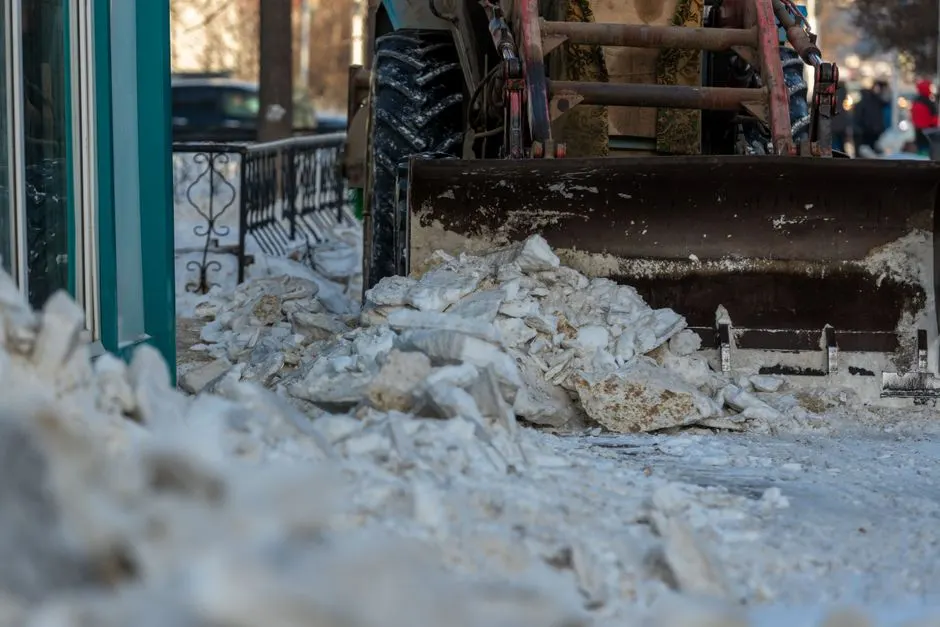
A snow plow clearing accumulated snow from an urban street during winter.
Licensed Licensed & Bonded
Fully Insured Insured & Bonded
24/7 Emergency Same-Day Response
Warranty Backed Workmanship Guaranteed

What Frozen Pipe Cleanup Includes

Our cleanup covers inspection of the affected area, removal of accessible water, moisture checks, and drying equipment when materials remain wet. We protect nearby contents and explain the work as it proceeds. Plumbing repairs, reconstruction, and replacement of damaged finishes require coordination with the appropriate trade; we identify those needs rather than treating them as extraction work.

Initial Damage Assessment

We check the visible leak area and nearby rooms, looking for water tracks, damp flooring, wet baseboards, and affected contents. Moisture readings establish a starting point for the drying plan. You learn which surfaces need immediate attention and whether water has reached a concealed area.
Standing Water Extraction

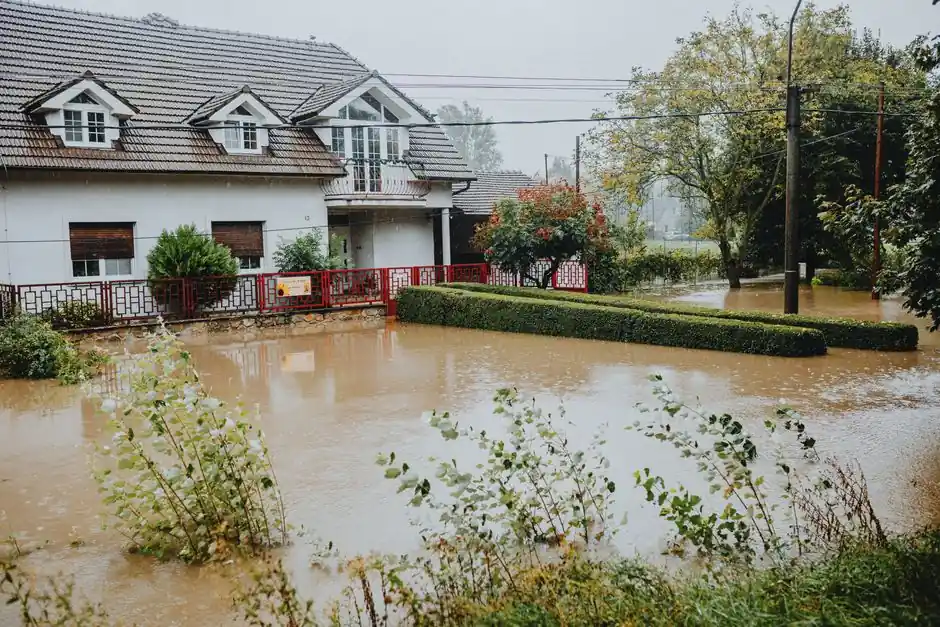
We remove accessible water with equipment suited to the depth, surface, and room access. A submersible pump handles deeper pooled water; an extractor clears water from flooring and carpet. We collect loose water before setting drying equipment, reducing the moisture load in the structure.

Structural Drying Setup

Where readings show wet materials, we position air movers and dehumidification to support evaporation and moisture removal. Equipment placement accounts for the room layout, material type, and safe access. We check progress and adjust the setup rather than leaving equipment without follow-up.

Moisture Progress Checks

We revisit mapped areas and compare readings with the initial assessment. If a wall base, cabinet toe-kick, or subfloor remains wet, we explain the next drying step. These checks help distinguish a dry surface from materials that still hold moisture below the finish.

Cleaning of Affected Areas

We clean affected hard surfaces as appropriate to the water and material, using disinfectant and antimicrobial solutions according to EPA-registered disinfectant label compliance. If the water source indicates a different contamination risk, we explain the required handling before proceeding with the affected area.

Frozen Pipe Water Damage Cleanup in Connecticut


Frozen Pipe Water Damage Cleanup in Connecticut is a water damage restoration service that removes water and dries building materials after freezing temperatures cause a plumbing line to crack or burst. We first identify the wet area, protect contents, and extract standing water with equipment suited to the room and flooring. Then we track moisture in walls, trim, and subfloors, placing air movers and dehumidifiers where readings show drying is needed. The goal is to stop ongoing damage and document the affected materials clearly.

Cold snaps in Connecticut can freeze pipes in unheated basements, crawl spaces, garages, and exterior walls; a pipe may release water only after temperatures rise. Our Connecticut Frozen Pipe Water Damage Cleanup addresses the leak's aftermath, including standing water after a plumbing leak and hidden moisture beneath flooring. If you need to remove water after a frozen pipe bursts in a Connecticut home, shut off the water supply if safe, then call so we can begin extraction and moisture checks.

What Happens During Cleanup

Frozen Pipe Cleanup in Connecticut follows a practical sequence: control the water, remove what has escaped, and dry the structure based on measured conditions. We explain each step as we work, keep access paths clear, and adjust equipment when readings change. The size of the affected area and the materials involved determine the schedule.

01

Schedule

Call or book online — a real human picks up and confirms a 2-hour arrival window.

02

Diagnose

Licensed tech inspects on-site, then walks you through the cause and your options.

03

Fix

The job is completed to code and done right the first time — no shortcuts, no surprises.

04

Guarantee

Every job backed by a written workmanship warranty — and we stand behind it.

Equipment and Drying Methods

Tools & Equipment

Truck-mounted water extraction unit

We use it to remove substantial accessible water from larger areas and long floor runs, reducing the amount of moisture left for evaporation.

Portable extractor

A portable extractor reaches rooms, stairs, and tighter spaces where truck-mounted hoses or larger equipment are less practical.

Submersible pump

We use a submersible pump to lower pooled water in a basement or other area with sufficient depth, then finish with detailed extraction.

Moisture meter

This tool compares readings in affected materials with dry reference areas, guiding where drying equipment should go and when progress needs another check.

Thermal imaging camera

We use thermal patterns to identify areas for closer moisture testing; the camera helps guide inspection but does not replace direct measurement.

Dri-Eaz commercial dehumidifier

This equipment removes moisture from room air during structural drying. We pair it with appropriately placed air movers and monitor material readings.

Methods & Standards

IICRC Water Damage Restoration Technician assessment

We inspect the source, affected materials, and water spread before choosing extraction and drying methods. The assessment separates visible water from hidden moisture concerns and creates a baseline for follow-up readings. Our technicians explain the findings in practical terms so you can understand the work underway.

Moisture mapping and monitored drying

We record moisture readings at affected points and compare them with unaffected reference materials. Air movers and dehumidification are positioned to address the measured conditions, then adjusted as readings change. This method helps us spot slow-drying areas instead of ending service based only on appearance.

EPA-registered product label compliance

When cleaning products are appropriate for the affected surface and water conditions, we follow the product label for application and contact time. We protect nearby contents and use personal protective equipment appropriate to the task. Cleaning does not replace extraction or drying; it is one part of the response when conditions call for it.

When Frozen Pipe Cleanup Helps

01

A supply pipe bursts overnight in an unheated basement, leaving water around the furnace and storage shelves.

What we do: We help confirm the line is shut off, assess safe access around equipment, and remove standing water with a pump or extractor. Then we check nearby walls, flooring, and stored items for moisture, set drying equipment where needed, and document the affected basement area.

→ You regain safer access to the utility area, reduce pooled water, and know which materials require continued drying or a separate repair assessment.

02

A thawed kitchen line leaks beneath a sink and water spreads into the adjoining room.

What we do: We extract water from the cabinet base and flooring, check the room transition and lower wall edges, and map moisture around the leak. If readings show wet materials beyond the cabinet, we place air movers and dehumidification to address those areas.

→ The hidden edge of the leak is checked, water is removed, and your drying plan covers the connected room rather than only the visible puddle.

03

A rental property loses heat during a cold spell, and a tenant discovers a ceiling stain below a frozen line.

What we do: We inspect the stained ceiling and the floor above for the leak path, remove accessible water, and document moisture in affected rooms. We coordinate the cleanup sequence with the property contact and explain where plumbing repair or finish work must follow.

→ The property manager receives a clear record of affected areas and drying progress, making it easier to plan access and repairs without overlooking the room below.

04

A pipe breaks in a crawl space and water enters the low area beneath a Connecticut home.

What we do: We assess entry and safety conditions, identify accessible pooled water, and check nearby framing and insulation. Where the space permits, we remove water and monitor moisture; if conditions require specialized access or repair, we explain that clearly and coordinate the next step.

→ You get a defined assessment of the crawl space rather than relying on a surface inspection from inside the home, with wet areas and follow-up needs identified.

How Frozen Pipe Cleanup Works in Connecticut

Connecticut's winter freeze-thaw cycles put exposed plumbing, unheated additions, and pipes near exterior walls at risk. Coastal homes and inland properties face different wind and temperature exposure, while older buildings may have plumbing routed through basements, crawl spaces, or wall cavities that are hard to inspect. A short outage can also leave a vacant rental or seasonal property without enough heat to protect vulnerable lines. Our Connecticut frozen and burst pipe restoration begins by finding out whether the source is controlled, then mapping the water path and selecting extraction equipment for the space. We check finished basements, utility rooms, and the floor below a leak because water often travels before it becomes visible. If you need winter water damage restoration for Connecticut properties, we can explain how the cleanup and drying sequence fits the building and the season. Local plumbing and building requirements vary by project; we do not replace the licensed plumber or building official when pipe repairs, permits, or reconstruction are required.

Neighborhoods We Serve

  • Downtown New Britain

    Multifamily buildings can have shared utility areas and stacked plumbing routes. We check adjacent rooms and the level below a leak, not only the unit where water first appeared.

  • New London waterfront areas

    Wind exposure and older building layouts can complicate access to vulnerable pipe runs. We check basements and exterior-wall areas for water that has traveled beyond the initial break.

  • Riverside residential streets

    Homes with finished lower levels need careful checks at flooring edges and basement walls. We map the affected rooms before placing drying equipment.

  • Cheshire Village homes

    Detached garages, additions, and utility spaces may be cooler than occupied rooms. We ask where the line runs and inspect nearby surfaces for a hidden leak path.

  • Heritage Village residences

    Shared walls and neighboring units make clear documentation important when a leak affects more than one interior space. We identify the wet boundaries and keep the drying plan specific.

Local Conditions We Plan For

  • A rapid freeze follows a mild day and water lines thaw unevenly.

    The pipe may split while frozen and release water during a later thaw. We check the leak source and the water path rather than assuming the wet area is limited to the pipe location.

  • Older basements contain finished rooms beside utility spaces.

    Water can move from concrete floors into carpet, framing, or stored belongings. We separate affected materials by type and test adjoining surfaces before deciding where extraction and drying are needed.

  • A vacant property has reduced heat during winter weather.

    A leak can continue unnoticed, increasing the affected area and soaking materials for hours or longer. We assess the full route of water, including rooms below the pipe, and document conditions for the property contact.

Basement Line Break Cleanup

Before

A split line left several floor areas wet around basement storage and a utility corner. The water source had been shut off, but a wet-dry vacuum had only removed surface puddles. Lower drywall and the edges of stored items still showed signs of moisture, and the homeowner could not tell how far the water had traveled.

After

We extracted accessible water, checked the basement perimeter, and set drying equipment based on measured conditions. Follow-up readings showed improvement across the mapped areas over several days. The homeowner had a clear record of what was wet, which surfaces were drying, and where a plumber's repair work had to be completed.

Maintenance: Keep basement heat steady during cold spells, protect exposed pipes, and check utility areas after a power interruption. If a new stain or damp smell appears, investigate promptly rather than covering the surface.

Before

A frozen supply line opened beneath a kitchen sink, and water reached the flooring beside the cabinets. The visible puddle was small, but the toe-kick and floor seam remained damp. The family had already shut off the water and needed to know whether the adjoining room was affected.

After

We extracted the water, checked cabinet edges and the room transition, then positioned air movement where readings showed moisture. At follow-up, the affected floor readings had dropped compared with the initial map. The family knew which areas were dry and could coordinate the pipe repair and any cabinet work.

Maintenance: During a cold snap, check under sinks on exterior walls and keep cabinet doors open if the room needs warmer air circulation. Repair drafts around vulnerable pipe runs before winter conditions return.

Before

A property manager found water stains below a frozen line after a unit had remained unoccupied with reduced heat. Water had reached the room below, and the extent of moisture in the ceiling and flooring was unclear. Access also had to be coordinated around plumbing repairs.

After

We assessed both levels, removed accessible water, and documented moisture readings in the ceiling and nearby floor. Drying equipment was placed in the affected rooms, with follow-up checks showing measurable improvement over the next several days. The manager had a concise record for coordinating repair work.

Maintenance: Before a vacant unit is left during freezing weather, maintain safe heat, arrange periodic checks, and know where the main shutoff is located. Inspect ceilings below plumbing routes after any heat interruption.

Stop Hidden Damage After a Freeze

A burst pipe often creates damage beyond the puddle you see. Water can travel under flooring, behind cabinets, and into basement wall assemblies, then leave materials damp after the surface looks dry. We locate the affected areas, remove water, and set a measured drying plan to help reduce secondary mold growth after water damage.

Problem

Water soaked the floor before anyone found the broken line.

Standing water can saturate carpet pad, floor seams, and lower wall materials, extending cleanup beyond the visible leak and delaying normal use of the room.

Our Fix

We stop extraction from becoming a guessing exercise by first confirming the source is controlled, then removing pooled water with equipment suited to the floor. Moisture checks around the leak identify adjacent wet areas. We place drying equipment only where readings and material conditions support it, then review progress with you.

Problem

A wall looks dry, but water may remain behind it.

Hidden moisture can linger around insulation, framing, and baseboards, creating odor or further material damage if it is left unaddressed after the leak stops.

Our Fix

We inspect wall edges and nearby surfaces, use moisture readings to find areas that need more attention, and compare them with unaffected materials. If readings indicate concealed wetness, we describe the finding and coordinate the next step with you. We do not treat a dry-looking paint surface as proof that the assembly is dry.

Problem

Basement flooding followed a frozen pipe or pump issue.

Water can spread through stored belongings and along concrete or finished basement floors, affecting multiple rooms and making access to utilities difficult.

Our Fix

Our crew clears accessible standing water, keeps a safe route to utilities, and checks the basement perimeter and adjoining rooms. We identify whether the issue involves a plumbing line, sump pump failure, or another source, then match extraction and drying to the conditions we find.

Problem

A leak reached flooring beneath cabinets and appliances.

Moisture trapped beneath fixed cabinets or appliances can remain after open floor areas dry, increasing repair needs and making the source of odor hard to locate.

Our Fix

We inspect toe-kicks, floor transitions, and adjacent wall bases, then use moisture checks to determine where drying attention is needed. Where access is limited, we explain the options and coordinate with the relevant repair trade. The aim is to document the wet area and avoid overlooking concealed moisture.

Practical Results After a Freeze

Practical Results After a Freeze

Frozen plumbing can soak insulation and flooring before a leak is visible. We focus on the work that changes the outcome: stopping the water source, removing bulk water, and measuring drying progress rather than relying on surface appearance. You get clear information about affected rooms and the next practical step.

  • Faster Water Removal

    A truck-mounted water extraction unit handles accessible standing water, while a portable extractor reaches tighter rooms and stairs. Removing bulk water early reduces the amount left for evaporation and helps limit damage to wood flooring, carpet, and stored belongings. For small amounts, water-absorbent extraction pads protect finishes during detailed cleanup.

  • Measured Structural Drying

    We use a moisture meter to compare wet materials with unaffected areas, then position air movers and a commercial dehumidifier to move moisture out of the structure. You can follow measurable readings instead of guessing from a dry-looking surface. That matters when water has entered a wall cavity or the subfloor.

  • Less Hidden Moisture

    A burst pipe can send water behind baseboards and under cabinets. Our technicians check adjacent rooms and use thermal imaging to help locate temperature patterns that warrant closer moisture testing. When the readings point to concealed wet materials, we explain the affected area and the drying approach before equipment is placed.

  • Clearer Repair Decisions

    Separating emergency extraction and drying from plumbing repair helps you coordinate the right trades. We record affected materials, moisture readings, and equipment placement so you have useful job information for follow-up. For extensive frozen pipe damage, we explain which materials are drying in place and which need a repair professional's assessment.

Training and Work Standards

Licensed & Certified

  • IICRC Water Damage Restoration Technician (WRT) — issued by Institute of Inspection, Cleaning and Restoration Certification
  • IICRC Applied Structural Drying (ASD) — issued by Institute of Inspection, Cleaning and Restoration Certification
  • OSHA hazard communication training — issued by Occupational Safety and Health Administration
  • EPA-registered disinfectant label compliance — issued by U.S. Environmental Protection Agency

Verified Reviews

Customer feedback Not stated

After a pipe burst in our basement, the crew removed the standing water and checked the wall edges with a moisture meter. They explained why the air movers were placed in specific spots and returned to review the readings. We knew what was still drying and what the plumber needed to handle.

Customer feedback Not stated

The water came from under the kitchen sink and had spread farther than we expected. The team checked the floor beyond the cabinet, extracted the water, and explained the drying equipment before setting it up. Their follow-up helped us see the difference between a dry surface and a dry floor assembly.

Customer feedback Not stated

We manage a rental and needed a clear account of a frozen pipe leak affecting two rooms. The crew documented the wet areas, removed the water, and gave us straightforward updates about drying. That made it easier to coordinate access for the pipe repair and plan the next steps for the unit.

Frozen Pipe Restoration Know-How

Frozen and burst plumbing calls for careful extraction, drying, and documentation-not just a quick pass with a vacuum. Our technicians use IICRC Water Damage Restoration Technician (WRT) principles to assess affected materials and plan drying. Where structural drying is needed, IICRC Applied Structural Drying (ASD) training informs equipment use and moisture checks. We also follow OSHA hazard communication training practices when handling products, and use EPA-registered disinfectant label compliance where cleaning calls for it. We explain what the readings show, so you can make informed next-step decisions.

  • We check the room where the pipe burst and adjoining spaces, because water can travel under flooring or through wall cavities.
  • Moisture readings are recorded at repeatable locations, allowing you to compare progress rather than rely on touch alone.
  • Our drying plan accounts for porous materials such as drywall, carpet pad, insulation, and wood trim.
  • Technicians use personal protective equipment appropriate to the work area and follow product-label directions during cleaning.
  • For suspected contamination or complex material concerns, we identify the issue and discuss appropriate specialist coordination.
Get Started Today
Frozen Pipe Restoration Know-How

Frozen Pipe Cleanup Questions

Real answers to the questions we hear most often from local homeowners and property managers.

When should I call for frozen pipe water damage cleanup in Connecticut?
Call as soon as the pipe is shut off and water has reached flooring, walls, cabinets, or a basement. If water is actively flowing, prioritize the main shutoff and electrical safety first. Fast extraction reduces standing water, while moisture checks reveal wet materials that a mop cannot reach. For emergency Frozen Pipe Water Damage Cleanup in Connecticut, tell us which rooms are affected, whether the leak has stopped, and if water is near electrical equipment.
Does Frozen Pipe Cleanup include water extraction and drying?
Yes, Frozen Pipe Cleanup in Connecticut includes extraction of accessible water and structural drying when wet materials need it. We assess the room, remove standing water with suitable equipment, and use moisture readings to guide air movers and dehumidification. A plumber's pipe repair and reconstruction are separate trade tasks, but we explain where those steps connect to cleanup. Drying often takes several days, depending on material, temperature, and how much water escaped.
How can I reduce damage after a pipe freezes and bursts?
Turn off the main water supply immediately, avoid wet electrical areas, and move valuables only when it is safe. Do not use a household vacuum on standing water or apply open flame to frozen plumbing. If you can do so safely, photograph the damage and keep clear of sagging ceilings. Call for extraction promptly; water left in carpet, wall cavities, or a basement can spread beyond the visible puddle.
Will insurance pay for frozen pipe water damage cleanup in Connecticut?
Coverage depends on your policy, the cause of the loss, and the insurer's terms; no cleanup company can promise payment. Contact your carrier, document the damage, and keep records of service and moisture findings. We can describe the work performed and the affected areas for your claim file. Sudden burst pipe water damage is handled differently from gradual leakage under some policies, so review your specific coverage with your insurer.

Related Water Damage Services

Emergency Water Extraction

When a frozen supply line releases water into a room, emergency extraction removes the bulk before it reaches more flooring or stored items. We select equipment for the water depth and access, then check nearby materials so your drying plan starts with a clear picture.

View Emergency Water Extraction

Water Damage Restoration

Frozen pipe cleanup addresses the immediate water and drying needs; water damage restoration may continue with repairs to damaged finishes. We document affected areas and drying status, helping you understand whether drywall, flooring, or trim needs further evaluation after the source is repaired.

View Water Damage Restoration

Flood Water Removal

A burst line can flood a basement or lower level, especially when nobody is home during a cold snap. Flood water removal clears standing water with pumps and extraction equipment, followed by moisture checks to identify wet walls, stored materials, and floor assemblies.

View Flood Water Removal

Basement Water Removal

Basement pipes, laundry connections, and utility-room lines are vulnerable when temperatures drop or heat is lost. We remove water from the basement, check adjoining storage and finished areas, and set drying equipment where readings show moisture has entered building materials.

View Basement Water Removal

Crawl Space Water Removal

A frozen or split line beneath a home can leave water in a low-clearance crawl space where it is difficult to see. We assess access and safety, remove reachable water, and check nearby framing and insulation for moisture that could remain after the visible water is gone.

View Crawl Space Water Removal

Standing Water Removal

A pipe can leave standing water across tile, carpet, or a concrete floor in minutes. We remove the pooled water first, then determine whether it has soaked into adjacent materials. That sequence keeps drying focused on the surfaces that actually need it.

View Standing Water Removal

Get Frozen Pipe Cleanup Moving

Frozen Pipe Water Damage Cleanup in Connecticut starts with a call, a safety check, and a plan to remove water before it spreads. Our team handles extraction and drying, with upfront pricing explained before work proceeds. Call now to arrange emergency service.

Call now Call for Cleanup

Contact Our Connecticut Team

Call Connecticut Water Extraction Pros at +1 866-896-8166 when a leak, flood, or backup has left water in your property. Our phone line is available 24/7 for emergency requests, and we will ask where the water is, when it started, and whether the source is controlled. Share your town and affected rooms so we can connect you with an independent company serving your area.

Or call us right now at +18668968166 — we answer.

Connecticut Water Extraction Pros


  • Phone

    +18668968166
  • Address

    Connecticut

  • Hours

    Mon–Fri: 7AM – 7PM
    Sat: 8AM – 4PM
    Sun: Emergency Only
    24/7 Emergency Available

Call +18668968166 Get Quote
Call Quote