
Logo
Get Estimate

Crawl Space Water Removal in Connecticut

We pump out water and dry the space below your home


Crawl Space Water Removal in Connecticut gets standing water out from beneath your home and starts controlled drying before damp framing and insulation deteriorate. We help homeowners and property managers dealing with storms, plumbing leaks, sump pump failure, or recurring seepage. Our crew assesses the source, selects equipment suited to crawl-space access, and explains the next steps plainly. Crawl Space Water Extraction in Connecticut addresses the same urgent need: remove water, measure moisture, and protect the structure.

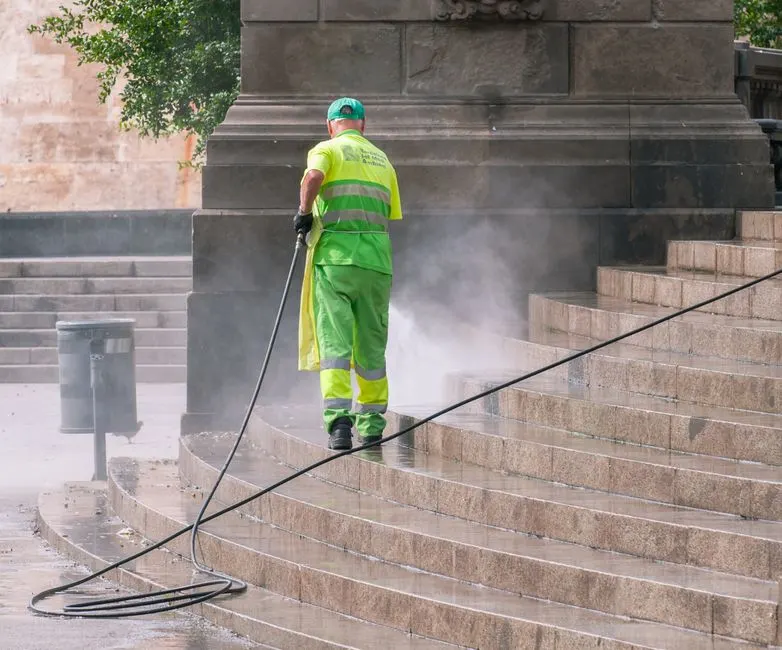
A municipal worker power washing stone steps outdoors, ensuring cleanliness and maintenance.
Licensed Licensed & Bonded
Fully Insured Insured & Bonded
24/7 Emergency Same-Day Response
Warranty Backed Workmanship Guaranteed

What's Included in Crawl Space Water Removal

Our service covers assessment, extraction of accessible standing water, moisture checks, and drying equipment placement based on the conditions. We explain source clues and visible material concerns as we work. Plumbing repairs, major drainage reconstruction, extensive mold remediation, and replacement of damaged insulation or structural components are separate work when required; we identify those needs rather than treating them as part of pumping.

Initial Water Assessment

We review the access opening, water depth, visible source, and immediate hazards before equipment enters. This check informs pump selection and helps us distinguish a plumbing leak from stormwater or contaminated water. We also note affected areas that need moisture monitoring.
Standing Water Extraction

We pump or extract accessible pooled water with equipment suited to the space. A submersible pump moves deeper water, while a portable extractor handles shallower areas and residual water. We check low spots and reachable corners before moving to drying.

Moisture Checks

We use a moisture meter to assess accessible framing and other affected surfaces, then establish readings to compare during drying. These checks help identify materials that remain damp after the visible water is gone. You can see why drying equipment is positioned where it is.

Drying Equipment Setup

We position air movers and a commercial dehumidifier to circulate air and remove moisture from the enclosed space. Placement depends on clearance, safe power access, and the affected area. We explain how long the equipment should run based on observed readings and conditions.

Source and Next Steps

We describe visible signs of pipe leakage, sump failure, or water entry and explain which repair should happen next. If sewage or other contamination is present, we outline the sanitation needs. The goal is to leave you with a clear cleanup result and a practical prevention step.

Crawl Space Water Removal in Connecticut: The Work


Crawl Space Water Removal in Connecticut is an emergency water mitigation service that removes accumulated water from beneath a building and supports drying of affected materials. We first identify accessible water and immediate hazards, then use a submersible pump or portable extractor for bulk removal. A moisture meter helps us check framing and reachable surfaces; air movers and a commercial dehumidifier support drying after extraction. We also look for the likely entry point, such as a failed pipe or sump system, so you can address the cause instead of treating the puddle alone.

Connecticut homes face a mix of coastal rain, inland runoff, winter freezes, and spring thaw. Older foundations, low crawl-space clearances, and blocked drainage can turn a storm or standing water after a plumbing leak into a larger cleanup. Our crawl space water removal service Connecticut homeowners call for starts with safe access and a practical plan. If you are asking how to remove standing water from a Connecticut crawl space, the answer begins with pumping, moisture checks, and drying-not simply covering the wet ground.

What Happens During Service

Crawl space water pumping and drying follow a clear sequence: assess access, remove water, manage wet materials, and monitor moisture. We explain each stage before equipment goes in, so you know what is happening under your floor and what comes next.

01

Schedule

Call or book online — a real human picks up and confirms a 2-hour arrival window.

02

Diagnose

Licensed tech inspects on-site, then walks you through the cause and your options.

03

Fix

The job is completed to code and done right the first time — no shortcuts, no surprises.

04

Guarantee

Every job backed by a written workmanship warranty — and we stand behind it.

Equipment and Drying Methods

Tools & Equipment

Submersible Pump

We use a submersible pump to move deeper pooled water out of low areas. Its capacity and hose route are selected for the crawl-space access and the amount of water present.

Portable Extractor

A portable extractor reaches shallow water and tight areas that larger equipment cannot access. It is useful for residual water after pumping, especially where the floor is uneven.

Moisture Meter

We measure accessible framing and affected surfaces to establish a starting point and check drying progress. Readings help distinguish a dry-looking surface from materials that still hold moisture.

Air Mover and Dehumidifier

Air movers circulate air across damp surfaces while a commercial dehumidifier removes moisture from the enclosed space. We adjust placement to the clearance and the areas identified during assessment.

HEPA Air Scrubber

When conditions warrant airborne particle control, a HEPA air scrubber with HEPA filter media helps filter air near the work area. We select protective measures based on contamination and the materials being handled.

Methods & Standards

Water Source Classification

We distinguish water from a clean supply line, storm runoff, or sewage before deciding how to extract and clean. The source determines protective equipment, material handling, and sanitation needs. If an active pipe or pump failure remains, we explain the repair required before drying can hold.

Measured Structural Drying

We establish moisture readings on accessible materials, position air movement and dehumidification, then compare readings during follow-up. Drying commonly runs 24 to 72 hours, but we use observed conditions rather than a fixed timer. Equipment placement changes when airflow or clearance is restricted.

Containment and Surface Protection

We use polyethylene containment sheeting and moisture-resistant protective coverings where they help protect the access route or separate dusty work from nearby living areas. Protective measures are selected for the job, not applied as a substitute for extraction. We keep the work area organized and explain any sanitation step.

Label-Compliant Sanitation

If contaminated water affects reachable surfaces, we select disinfectant and antimicrobial solutions for the material and follow EPA-registered disinfectant label compliance. Product contact time and application directions matter. Porous materials that cannot be cleaned effectively may need separate removal or remediation.

When Crawl Space Extraction Is Needed

01

You find water after a burst pipe has leaked behind a utility line beneath the house.

What we do: We verify that the leak has been isolated, check for pooled water and wet materials, and select a pump or extractor for the available clearance. After removal, we place drying equipment and record moisture readings so you can follow progress. If plumbing repair remains, we identify that next step.

→ The visible water is removed and damp areas are monitored, reducing the time framing and insulation remain exposed to moisture.

02

Heavy November rain overwhelms drainage and sends runoff through a crawl-space vent or foundation opening.

What we do: We assess water depth, debris, and safe access, then pump the low areas before setting drying equipment. We look for entry points and explain which drainage or foundation repairs need follow-up. Contaminated runoff receives handling and sanitation suited to its source.

→ You get a cleared crawl space, a drying plan, and specific information about the route water took into the home.

03

A sump pump stops during a spring thaw, leaving water under the floor and a damp odor indoors.

What we do: We remove pooled water, inspect accessible materials, and use a moisture meter to find damp areas that need additional drying. We note visible pump and discharge issues for repair and position air movers to circulate air through the affected section.

→ Water is extracted and moisture is tracked while the sump system is restored, helping prevent a repeat event from going unnoticed.

04

A slow plumbing leak is discovered after discoloration appears on the subfloor above the crawl space.

What we do: We inspect the accessible underside, identify wet framing, and remove any standing water with a portable extractor. Once the plumbing repair stops the leak, we set dehumidification and compare readings during drying. We flag hidden moisture concerns for further inspection.

→ The water source and affected zone are easier to address before dampness spreads farther into flooring or adjacent materials.

How Crawl Space Water Removal Works Locally

Connecticut's wet fall and winter weather can send runoff toward foundations, while spring thaw raises the chance of saturated soil and sump pump overload. Coastal properties can face wind-driven rain and persistent dampness; inland homes may see frozen pipe water damage after sharp cold snaps. Building age and crawl-space clearance vary, so we check access before choosing pumps and drying equipment. In older homes, we avoid disturbing suspect painted materials without considering EPA Lead Renovation, Repair and Painting (RRP) requirements where applicable. We also use OSHA hazard communication and respiratory protection practices when job conditions call for them. Connecticut crawl space flood cleanup starts by separating source water from stormwater or sewage, then removing pooled water and measuring affected materials. If you need professional Crawl Space Water Removal in Connecticut, tell us whether the water followed a storm, plumbing leak, or pump failure; that changes the protective setup and cleanup sequence. Local plumbing and drainage repairs must follow applicable requirements, and we identify where a licensed trade should take over.

Neighborhoods We Serve

  • Waterbury hillside homes

    Sloped lots can direct runoff toward a foundation during heavy rain. We check the low side of the crawl space and look for pooling that remains after surface water drains.

  • Norwich river-valley properties

    Low-lying sites can stay damp after prolonged rain. We assess water source and debris before selecting extraction and sanitation steps.

  • Trumbull Center residential blocks

    Mixed-age homes can have different crawl-space clearances and drainage details. We plan equipment around the access opening and check adjoining utility lines.

  • Staples-area homes

    Seasonal rain and saturated ground can expose weak points around foundations. We look for repeat entry paths while pumping and document damp areas for follow-up.

Local Conditions We Plan For

  • Freeze-thaw cycles expose vulnerable plumbing and drainage connections.

    A pipe can split during a freeze and release water after temperatures rise. We confirm the leak is isolated before extraction, then assess wet insulation and framing and begin drying.

  • Heavy rain saturates soil around older or low-set foundations.

    Water may enter at several points and collect in uneven crawl-space areas. We pump low spots, check accessible surfaces, and explain visible drainage concerns for follow-up.

  • Low clearance limits equipment access beneath the structure.

    A narrow opening or shallow space can prevent larger equipment from reaching the water directly. We use portable extraction tools and plan hose and air-mover placement around safe access.

Sump Failure After Heavy Rain

Before

A sump pump failure left several inches of water in the lowest crawl-space section. The homeowner could see a pool near the access opening but could not reach water behind a support. Damp insulation and an earthy odor made it difficult to tell whether water had spread farther under the floor.

After

We pumped the accessible pool, extracted residual water around the support, and placed drying equipment across the affected zone. Moisture readings were recorded at accessible framing and checked again during drying. The visible standing water was removed, and the homeowner received notes about restoring the failed sump system.

Maintenance: Test the sump according to its manufacturer's instructions, keep the discharge route clear, and check the crawl-space access after major rain. If water returns, note where it appears and call before it spreads.

Before

A slow supply-line leak had wet the underside of the kitchen floor before a stain appeared indoors. Water collected in a shallow, uneven section, with damp insulation blocking part of the view. The leak needed repair before the area could dry reliably.

After

Once the plumbing leak was stopped, we used a portable extractor for shallow water and checked reachable framing with a moisture meter. Air movers and a dehumidifier supported drying over the next 24 to 72 hours. We identified the visibly affected area and explained any material that needed separate attention.

Maintenance: Check exposed plumbing and shutoff areas for drips, especially before winter travel or extended cold weather. Address small leaks promptly and inspect the floor above if you notice new staining or a persistent damp smell.

Before

Runoff entered through a low foundation opening during prolonged rain and left muddy water and debris beneath the home. A floor drain was not involved, and the homeowner was unsure whether ordinary household equipment could safely handle the cleanup.

After

We assessed the water source and access, used protective equipment, and extracted the pooled water with a pump and portable unit. The team removed reachable debris, checked damp materials, and set drying equipment. We explained the opening where water entered and the drainage work needed to reduce recurrence.

Maintenance: Keep foundation openings and nearby drainage paths clear, and check them after heavy rain. If runoff repeatedly reaches the same area, arrange a drainage repair rather than relying on pumping after each storm.

Solve Wet Crawl Space Problems at the Source

Water below your home can stay hidden until odors, damp floors, or damaged insulation appear. Our crew removes pooled water and checks the conditions that keep materials wet. Crawl space flood cleanup and drying services Connecticut homeowners need often combine extraction with source identification and monitored drying.

Problem

Standing water remains after a plumbing leak beneath the kitchen.

Water can soak insulation and framing out of sight, prolonging damp conditions and increasing the chance of material damage or secondary mold growth.

Our Fix

We identify accessible pooling, extract it with a pump or portable unit, and check reachable framing with a moisture meter. We explain whether the plumbing source appears active and what repair is needed. Air movers and dehumidification support drying after the leak is controlled.

Problem

A failed sump pump leaves stormwater trapped in a low crawl-space corner.

Water can remain in uneven soil or behind stored debris after the main pool is gone, leaving localized dampness that is easy to miss.

Our Fix

We pump the low area, inspect the accessible floor and materials, and use moisture readings to locate remaining wet spots. We also identify visible sump or drainage concerns for repair. Drying equipment is set to move air through the affected zone, not just the entrance.

Problem

Frozen pipe water damage spreads beneath a poorly insulated floor.

Thawed water can soak wood and insulation while the split line continues leaking, affecting connected rooms before the leak is obvious.

Our Fix

We confirm that the water source has been isolated, remove accessible standing water, and assess damp framing and insulation. We start controlled drying and explain any materials that need separate removal or repair. A plumber must secure the damaged line to prevent renewed flooding.

Problem

Stormwater intrusion leaves dirty water and debris under a low-clearance home.

Runoff may carry soil and contaminants, making ordinary vacuuming unsuitable and increasing exposure risk during cleanup.

Our Fix

We assess the water source and use personal protective equipment appropriate to the conditions. Our team extracts accessible water, handles debris carefully, and applies sanitation products according to label requirements where needed. We then monitor drying and explain any remediation beyond water removal.

What Proper Extraction Delivers

What Proper Extraction Delivers

Removing water promptly limits prolonged contact with joists, subflooring, stored materials, and insulation. We focus on measurable work: extracting accessible water, checking damp areas, and positioning drying equipment for the space you actually have.

  • Less Standing Water

    A submersible pump handles deeper pooled water, while a portable extractor and water-absorbent extraction pads address shallow areas and awkward corners. We check the floor after bulk removal rather than assuming the visible puddle was the only water. That distinction matters when a crawl space has uneven soil or several low points.

  • Measured Drying Progress

    We record moisture readings at affected framing and compare them during the drying phase. Air movers direct circulation through accessible areas, and a commercial dehumidifier pulls moisture from the enclosed space. Readings give you a practical way to follow progress instead of relying on a dry-looking entrance.

  • Earlier Source Control

    A damaged supply line, sump pump failure, or stormwater entry needs attention alongside extraction. We identify visible clues and coordinate the cleanup sequence around stopping active water. If a plumbing repair is required, resolving that source helps keep freshly dried materials from being exposed to another leak.

  • Cleaner Work Zone

    We protect the access route and isolate dusty work areas when conditions call for it. Polyethylene containment sheeting and HEPA air scrubber equipment can help control airborne debris during cleanup. That is useful when your crawl-space opening sits near living areas or the work involves contaminated materials.

Training and Work Standards

Licensed & Certified

  • Water Damage Restoration Technician — issued by IICRC
  • Applied Structural Drying — issued by IICRC
  • Applied Microbial Remediation Technician — issued by IICRC
  • OSHA Hazard Communication Training — issued by OSHA

Verified Reviews

Customer feedback Not stated

A homeowner described a sump failure that left water under the house. The crew pumped the low area, checked framing, and explained which sump repairs remained. The customer valued having moisture readings and practical next steps rather than a claim that pumping alone had solved the problem.

Customer feedback Not stated

After a pipe leak, a customer reported that the team used a portable extractor through a tight access opening and set drying equipment beneath the kitchen. The explanation of moisture checks helped the homeowner understand why equipment remained after visible water was gone.

Customer feedback Not stated

A property owner dealing with stormwater cleanup said the crew removed pooled water, identified an entry point, and outlined drainage follow-up. The customer appreciated that the cleanup plan separated immediate extraction from the repair needed to reduce another intrusion.

Training for Difficult Crawl Spaces

Crawl-space work is cramped, damp, and often close to wiring, plumbing, and older building materials. Our technicians apply water-damage procedures suited to the source and affected materials, using IICRC Water Damage Restoration Technician (WRT) and IICRC Applied Structural Drying (ASD) principles where applicable. We use OSHA hazard communication training and respiratory protection training to manage jobsite hazards. If microbial conditions are present, IICRC Applied Microbial Remediation Technician (AMRT) practices inform the work plan. We document conditions and explain when a plumber or other specialist needs to address the cause.

  • We distinguish clean supply-line water from stormwater or sewage conditions before selecting extraction and cleanup procedures.
  • Moisture readings help us compare damp framing before and during drying, rather than judging progress by touch alone.
  • Our team uses personal protective equipment and follows OSHA hazard communication and respiratory protection training practices.
  • EPA-registered disinfectant label compliance guides product use when affected surfaces need sanitation after contaminated water.
  • Where older painted materials are disturbed, EPA Lead Renovation, Repair and Painting (RRP) certification requirements are considered where applicable.
Get Started Today
Training for Difficult Crawl Spaces

Crawl Space Water Removal Questions

Real answers to the questions we hear most often from local homeowners and property managers.

How is water removed from a crawl space in Connecticut?
We remove crawl-space water with a submersible pump for deeper pools and an extractor or wet-dry vacuum for shallow residual water. First, we check access, electrical hazards, and the likely source; then we pump, assess wet materials, and set drying equipment. A moisture meter tracks progress. Stormwater or sewage requires additional protective and sanitation measures, so the water source changes the cleanup plan.
How quickly should crawl space water be extracted?
Start extraction as soon as it is safe, ideally within 24 hours of discovering the water. Prolonged dampness increases the chance of material damage and secondary mold growth, although the outcome depends on temperature, water source, and airflow. If water is near electrical equipment, do not enter; have the hazard isolated first. We can assess access and begin pumping once conditions are safe.
Does crawl space water removal help prevent mold?
Yes, prompt extraction and drying reduce the moisture that supports mold growth, but they cannot guarantee mold will not develop. We remove pooled water, improve airflow, and monitor damp materials; drying commonly takes 24 to 72 hours. If visible growth or contaminated water is present, we explain whether cleaning or separate remediation is needed. Crawl space water removal to reduce mold risk in Connecticut starts with controlling the moisture source.
What causes recurring water in a Connecticut crawl space?
Recurring crawl-space water commonly comes from poor surface drainage, foundation seepage, a failed sump pump, leaking plumbing, or stormwater entering through gaps. Freeze-thaw conditions can also expose weak points in pipes and drainage routes. We inspect visible clues during extraction and explain the likely cause, but a plumber or drainage contractor may need to complete source repairs. Removing pooled water without addressing entry leaves the cycle unresolved.

Related Cleanup Services

Emergency Water Extraction

An active leak or sudden flood often needs immediate pumping before crawl-space drying can begin. Our emergency service removes accessible water, checks hazards, and helps limit spread into nearby utility areas. We identify whether the source is a plumbing failure, stormwater, or another event.

View Emergency Water Extraction

Water Damage Restoration

Extraction is the first stage when water has affected more than the crawl space. Restoration addresses drying and affected building materials in connected areas, including hidden moisture in walls and flooring. We assess how water traveled and plan work around the structure's actual readings.

View Water Damage Restoration

Flood Water Removal

Heavy rain and runoff can push water through foundation openings and into low spaces. Flood water removal handles larger volumes and contaminated debris, with protective procedures adjusted to the water source. We separate bulk extraction from drying and sanitation needs.

View Flood Water Removal

Basement Water Removal

Water can affect a basement and crawl space during the same storm or plumbing failure. We pump each area using equipment suited to its access and depth, then check adjoining materials. Treating both spaces together helps reveal whether they share a drainage or source problem.

View Basement Water Removal

Standing Water Removal

Pooled water below a home can hide uneven floors, debris, and damaged materials. We use pumps and extractors to remove accessible water, then measure damp areas and set drying equipment. This service is useful when the immediate concern is a persistent pool rather than a full-room restoration.

View Standing Water Removal

Burst Pipe Water Extraction

A burst pipe can send water through insulation and across crawl-space soil before the leak is noticed. We extract pooled water and identify affected framing while the plumbing repair stops the flow. Frozen pipe water damage cleanup may also be needed after a winter failure.

View Burst Pipe Water Extraction

Arrange Crawl Space Water Removal in Connecticut

Standing water beneath your home needs a measured response, not a guess. Call our team to discuss the water source, depth, and crawl-space access; we will explain the next step and upfront pricing. Our technicians follow safety procedures and track drying with moisture readings.

Call Now Call for Service

Contact Our Connecticut Team

Call Connecticut Water Extraction Pros at +1 866-896-8166 when a leak, flood, or backup has left water in your property. Our phone line is available 24/7 for emergency requests, and we will ask where the water is, when it started, and whether the source is controlled. Share your town and affected rooms so we can connect you with an independent company serving your area.

Or call us right now at +18668968166 — we answer.

Connecticut Water Extraction Pros


  • Phone

    +18668968166
  • Address

    Connecticut

  • Hours

    Mon–Fri: 7AM – 7PM
    Sat: 8AM – 4PM
    Sun: Emergency Only
    24/7 Emergency Available

Call +18668968166 Get Quote
Call Quote