Logo
Get Estimate

Standing Water Removal in Connecticut for Safer, Drier Spaces

We pump out water and target moisture before damage spreads.


Standing Water Removal in Connecticut gets water out of homes and businesses after leaks, flooding, or equipment failure. We help property owners facing wet basements, soaked floors, and water trapped in crawl spaces, then check affected materials for lingering moisture. Our Connecticut crews match extraction methods to the water depth, source, and building layout so you can move from an active mess to a clear drying plan.

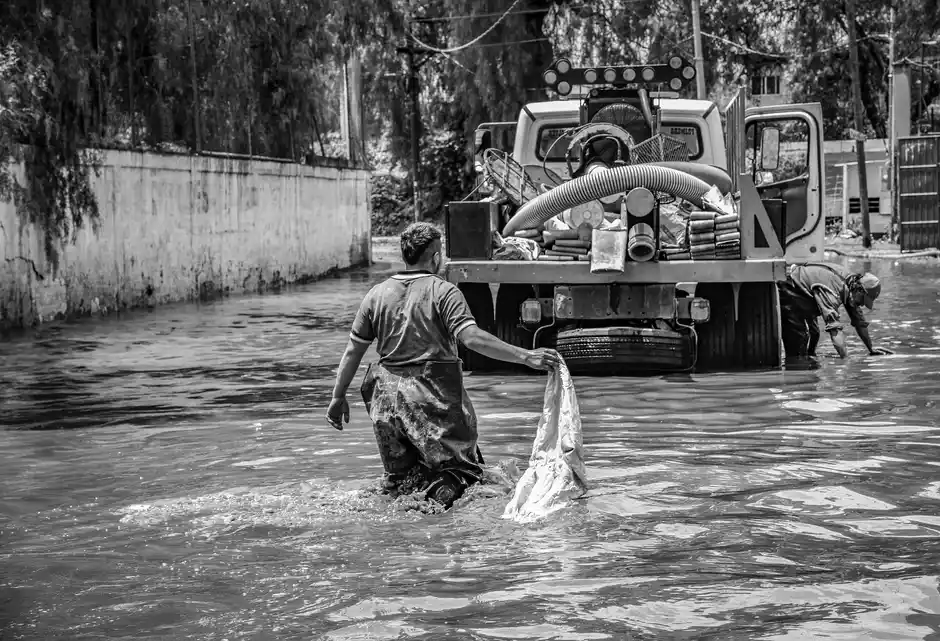
A black and white photo depicting flood cleanup efforts in an urban setting, showcasing resilience.
Licensed Licensed & Bonded
Fully Insured Insured & Bonded
24/7 Emergency Same-Day Response
Warranty Backed Workmanship Guaranteed

What Standing Water Removal Includes

Our service covers assessment, bulk water removal, residual extraction, and a moisture check of accessible affected materials. If the water is contaminated, we use appropriate handling and cleaning procedures. Structural drying, contents restoration, plumbing repair, and rebuilding are separate work stages when the loss requires them; we explain how they connect so you can plan the full recovery rather than stop at a dry-looking floor.

Water Source Assessment

We identify whether water is entering from plumbing, groundwater, storm intrusion, or a backup and check whether the source is still active. This helps us select safe handling procedures and avoid pumping water while it continues to flow into the property.

Bulk Water Pumping

We remove standing water with a pump or extraction unit suited to depth and access. Hoses are routed to avoid unnecessary contact with unaffected areas, and we work from deeper pools toward residual water along edges and around fixtures.

Residual Surface Extraction

After the main pool is removed, we collect remaining surface water with portable equipment, a wet-dry vacuum, or extraction pads. This stage focuses on corners, thresholds, and floor transitions where small amounts of water can linger.

Moisture Readings

We check accessible flooring and lower wall areas with a moisture meter after extraction. The readings help show whether drying is needed and provide a reference for follow-up. Concealed moisture or damaged finishes may require additional inspection or repair.

Next-Step Guidance

We explain whether air movers, a commercial dehumidifier, cleaning, or repair coordination is appropriate. You leave with a clear distinction between water removal completed today and any additional drying or restoration work needed for the affected materials.

Standing Water Removal in Connecticut Explained


Standing Water Removal in Connecticut is an emergency water mitigation service that removes pooled water from buildings after leaks, flooding, or plumbing failures. We identify the water source, protect electrical and personal safety, and select a submersible pump or portable extractor based on depth and access. A wet-dry vacuum handles smaller pools; extraction pads collect residual water along edges and under accessible fixtures. We then measure walls and flooring with a moisture meter, because a dry-looking surface can conceal water below it. Removing water quickly limits swelling, staining, and secondary mold growth.

Connecticut properties face basement flooding, frozen pipe water damage, sump pump failure, and storm intrusion as temperatures shift from November freezes to spring thaw and summer downpours. Older stone or masonry foundations, finished lower levels, and compact crawl spaces each need a different approach. Our Connecticut standing water cleanup starts by tracing the source and separating clean water from potentially contaminated water. If you need to remove standing water after a household leak in Connecticut, we extract accessible water first and then map the drying work.

How We Remove Standing Water

Our Connecticut Standing Water Removal process starts with the source and ends with documented moisture checks. We keep you informed about what is happening in each affected area, from the first safety check to the handoff for drying or repair.

01

Schedule

Call or book online — a real human picks up and confirms a 2-hour arrival window.

02

Diagnose

Licensed tech inspects on-site, then walks you through the cause and your options.

03

Fix

The job is completed to code and done right the first time — no shortcuts, no surprises.

04

Guarantee

Every job backed by a written workmanship warranty — and we stand behind it.

Equipment and Removal Methods

Tools & Equipment

Submersible pump

We use a submersible pump to move deeper pools of water from basements and other low areas. The setup is selected for water depth, access, and safe discharge routing.

Portable extractor

A portable extractor reaches rooms, stairs, and tight spaces where large equipment cannot be positioned. It pulls water from floor surfaces and accessible carpet.

Moisture meter

We compare readings in affected and reference materials to check whether water remains after extraction. The results guide drying decisions and help track progress.

Air mover

Air movers increase airflow across wet surfaces during the drying stage. We position them to support evaporation without directing contaminated debris into clean areas.

Dri-Eaz commercial dehumidifier

A commercial dehumidifier removes moisture from indoor air during structural drying. We use it with suitable airflow and monitor conditions as wet materials release moisture.

HEPA air scrubber

When the work area requires airborne particle control, a HEPA air scrubber with HEPA filter media helps filter circulating air. We select and operate it according to site conditions.

Methods & Standards

Water-source and category assessment

We determine whether the water came from a supply line, groundwater, storm intrusion, or sewage backup before choosing extraction and protective procedures. Water type affects which materials can be cleaned, how the work zone is managed, and whether occupants should stay clear. The assessment also checks whether water is still entering.

Progressive bulk-to-residual extraction

We remove deeper water first, then work across floors and edges to collect the remaining surface water. This sequence helps keep extracted water from being pushed into previously dry areas. Equipment changes as depth and access change, from a submersible pump to portable extraction and pads.

Measured structural drying

After extraction, we use moisture readings to determine where drying equipment should go and how progress will be checked. Air movers and dehumidifiers support evaporation, while follow-up readings show whether materials are moving toward dry conditions. Wet materials are not covered or rebuilt before they are ready.

Controlled cleaning and containment

For contaminated water or debris-sensitive work, we separate the affected zone and use protective equipment and appropriate cleaning agents. Disinfectants are applied in accordance with EPA-registered label directions. This method limits cross-contamination and keeps cleanup steps matched to the actual water source.

When to Call for Removal

01

A frozen pipe breaks overnight and water is pooling below a kitchen or bathroom wall.

What we do: We help control the spread by checking that the water source is shut off, assessing access and electrical hazards, and extracting standing water from affected rooms. We inspect the visible path into nearby flooring and lower walls, then identify what needs drying after the pipe repair.

→ You get the pooled water removed and a clear record of affected areas, making it easier to coordinate plumbing repair and drying before finishes are restored.

02

Heavy rain pushes water through a basement window, foundation joint, or exterior stairwell.

What we do: We pump from the lowest accessible point, remove residual surface water, and check whether sediment or debris entered with the stormwater. We also inspect finished areas and stored contents for contact, then discuss drying needs based on material readings.

→ The basement is cleared for safe assessment, and you know which flooring, wall sections, or belongings need additional attention rather than relying on appearance alone.

03

A sump pump fails during a storm and leaves several inches of water around utilities.

What we do: We check the water depth and hazards around electrical and mechanical equipment before positioning a submersible pump. Once the bulk water is out, we extract remaining water along edges and assess nearby materials for wetness or contamination.

→ Access to the utility area improves, and you have a measured plan for drying and addressing the failed pump or drainage issue.

04

A washing machine hose leaks while you are away, soaking a laundry room and adjoining hall.

What we do: We extract the water from both rooms, check under accessible appliances and along baseboards, and use moisture readings to locate areas that need drying. Our team keeps equipment and hose routes organized so you can access unaffected parts of the home.

→ The visible water is removed, and you know whether the flooring and wall edges need continued drying before routine use resumes.

How Connecticut Conditions Shape Removal

Connecticut homes see a sharp seasonal swing: November brings freeze risk, winter can expose weak supply lines, spring thaw raises groundwater, and summer storms can overwhelm basement drainage. Coastal areas such as Cos Cob and Noroton face different rainfall and drainage patterns than inland Torrington or Oakville. Older foundations, stone basements, finished lower levels, and compact crawl spaces also affect where water collects and how hoses can be routed. Our Connecticut standing water cleanup starts with the building, not a preset equipment list. We check the water source, floor level, electrical exposure, and discharge route before pumping. For a homeowner searching for standing water extraction near me in Connecticut, the useful first step is a safe assessment: do not walk into water near energized equipment. We use containment where needed, keep equipment routes controlled, and document moisture in accessible materials. Local disposal and building requirements can vary by municipality and water type, so contaminated water is handled differently from a clean plumbing leak. Once extraction is complete, we explain drying and repair needs in practical terms.

Neighborhoods We Serve

  • South Norwalk

    Basement and lower-level properties can receive water through window wells or plumbing failures. We check floor transitions and stored items after bulk extraction.

  • Cos Cob waterfront areas

    Low-lying properties can face stormwater and drainage challenges. We assess the entry point and water type before choosing pumping and cleanup procedures.

  • Noroton residential streets

    Finished basements and utility rooms need careful equipment routing. We keep extraction lines clear of unaffected rooms and check lower wall edges afterward.

  • Oakville village areas

    Older foundations and compact utility spaces can restrict access. Portable equipment helps reach corners where a larger unit cannot be positioned.

Local Conditions We Plan For

  • Freeze-thaw cycles stress older plumbing and basement foundations

    A pipe can split after a hard freeze, while thawing ground increases seepage through foundation joints. We check whether water is still entering before extracting and make sure nearby floors and lower walls are included in moisture checks.

  • Coastal storms bring wind-driven rain and drainage pressure

    Water may enter through window wells, doors, or foundation openings, sometimes carrying sediment. We identify the entry route and distinguish stormwater from a plumbing leak before selecting protective measures and removal methods.

  • Finished lower levels conceal water beneath flooring

    Laminate, carpet, and trim can hide moisture after the surface looks dry. We check accessible edges and use readings to determine whether further inspection or drying is needed before repairs cover the area.

Basement Cleared After Sump Failure

Before

A failed sump pump left several inches of water across a finished basement. Carpet was saturated near the stairs, storage boxes sat in the wet path, and the lower drywall felt cool to the touch. The family could not reach the utility area safely or tell how far water had traveled beneath the flooring.

After

We pumped the deeper water, extracted the carpet surface, and checked accessible lower walls and floor edges. The visible pool was gone within the work period, and moisture readings identified two areas that needed continued drying. The homeowner could reach the utility equipment and sort salvageable items without stepping through water.

Maintenance: Test the sump pump every few months and before forecast heavy rain. Keep the discharge route clear, and move stored boxes onto shelving above floor level so a future pump failure does not soak them first.

Before

A supply hose leak spread from beneath a sink into an adjoining kitchen walkway. Water reached cabinet toe-kicks and the floor seam, though the puddle looked small by the time the homeowner found it. The concern was hidden moisture beneath the cabinets and along the hallway threshold.

After

We extracted the visible water, used pads along the cabinet edges, and checked accessible flooring with a moisture meter. The wet path was limited to the kitchen and threshold, with drying directed at the affected edge. The customer had a clear record of the area to monitor after the plumbing repair.

Maintenance: Inspect appliance and sink hoses several times a year for bulges, corrosion, or damp fittings. Replace a damaged connector promptly, and keep the cabinet base clear enough to spot a new leak early.

Before

After repeated rain, a homeowner noticed a damp odor and found standing water in an accessible crawl space. Water had collected near the lowest point, and insulation close to the ground was visibly wet. The extent of moisture was difficult to judge from the access opening.

After

We assessed the crawl space entry and water depth, pumped the accessible pool, and noted wet insulation and framing for follow-up. The standing water was removed, and the homeowner received a practical list of areas requiring drying or material review. No guesswork based on the access opening alone.

Maintenance: Check crawl space access and drainage after major storms, and keep exterior downspouts directing water away from the foundation. Address recurring seepage at its source rather than relying on repeated pump-outs.

Problems Solved Before Water Spreads

A puddle is often only the visible part of a water loss. We remove pooled water and investigate how it reached nearby flooring, walls, and stored contents. Acting early helps reduce material damage and gives you a clearer path to safe drying and cleanup.

Problem

Basement flooding after a storm or failed sump pump

Water can soak carpet, stored belongings, and lower drywall, while hidden moisture remains behind finished walls and beneath flooring.

Our Fix

We locate the lowest water points, check whether the sump system or another source is still adding water, and pump the basement in controlled stages. Then we measure accessible materials and explain which areas need drying or further inspection. If sediment or contamination is present, we adjust handling and cleaning procedures.

Problem

Standing water after a plumbing leak reaches multiple rooms

Water can travel beneath thresholds and along floor seams, leaving swollen trim and wet subfloor even after the visible puddle is gone.

Our Fix

We trace the wet path from the leak area, extract pooled water in each affected room, and check perimeter flooring and baseboards. A moisture meter helps identify where drying should focus. We also document any areas that need plumbing repair or finish removal before they can dry properly.

Problem

Crawl space water intrusion remains out of sight

Persistent water beneath the home can raise humidity, wet insulation, and leave framing exposed to prolonged damp conditions.

Our Fix

We assess access, standing depth, and the condition of visible materials before moving equipment into the crawl space. We pump accessible pools and note areas where drainage or further drying needs attention. The findings help you address the source instead of repeatedly removing the same water.

Problem

Sewage backup leaves contaminated water indoors

Contact with contaminated water can expose occupants and porous materials to harmful organisms and odors that ordinary household cleanup will not address.

Our Fix

We isolate the affected area, use suitable personal protective equipment, and remove contaminated water with controlled methods. Cleaning and disinfection follow product-label requirements, and porous materials are evaluated separately. We keep unaffected spaces apart from the work zone and explain safe re-entry steps.

What Prompt Extraction Changes

What Prompt Extraction Changes

Standing water continues moving into flooring, trim, and wall cavities until it is removed. We focus on the immediate hazard first, then document where moisture remains so your next decisions are based on measurements rather than guesswork.

  • Limit Material Damage

    Water can wick up drywall and into wood flooring within hours. We begin with bulk extraction, then check floor edges and lower wall sections with a moisture meter. Removing pooled water before it spreads reduces the area that needs drying and helps preserve materials that remain structurally sound.

  • Restore Safe Access

    A flooded basement can hide cords, sharp debris, or contaminated water beneath the surface. We assess access and standing depth before setting equipment, then pump water in controlled stages. You get safer access to stairs, utility equipment, and stored belongings once the walking path is clear.

  • Find Hidden Moisture

    Water often travels beneath laminate, behind baseboards, and into wall cavities beyond the visible puddle. We use targeted readings and, where appropriate, a thermal imaging camera to locate temperature patterns that warrant further checking. That helps us direct drying equipment instead of treating only the obvious wet spot.

  • Plan the Drying Phase

    Extraction is the first stage, not the finish line. We explain which materials need air movement or dehumidification and what readings will show progress. With indoor water pumping services Connecticut property owners can pair removal with a practical drying plan instead of restarting cleanup after moisture resurfaces.

Field Knowledge and Training

Standing water is not a one-size-fits-all cleanup job. Our technicians evaluate the source, water category, building materials, and access before selecting equipment or recommending drying. We use recognized restoration training, including IICRC Water Damage Restoration Technician (WRT) principles, and follow applicable safety practices for respiratory protection and hazard communication. Where microbial remediation is needed, the work requires appropriate training and containment. We also respect EPA-registered disinfectant label compliance and use products according to their directions. That practical discipline helps protect your property while keeping the cleanup focused on the actual water loss.

  • We apply IICRC Water Damage Restoration Technician training principles to water categorization, extraction, and moisture documentation.
  • Technicians use OSHA hazard communication training practices when handling cleaning agents and communicating site risks.
  • Our team distinguishes a clean plumbing leak from sewage backup before choosing protective equipment and handling methods.
  • Moisture readings guide drying decisions; we do not treat a dry surface as proof that concealed materials are dry.
  • We explain whether extraction alone is sufficient or whether structural drying and repair coordination are also needed.
Get Started Today
Field Knowledge and Training

Standing Water Removal FAQs

Real answers to the questions we hear most often from local homeowners and property managers.

How soon should standing water be removed from a home?
Remove standing water as soon as it is safe, ideally within 24 hours of discovery. Water can spread into flooring, drywall, and insulation while it sits, and contaminated water raises additional health concerns. We first check for electrical hazards and an active leak, then start extraction with equipment suited to the depth. Drying and moisture checks follow; a visible puddle disappearing does not confirm that concealed materials are dry.
Can I remove standing water myself after a leak in Connecticut?
You can handle a small, clean-water spill of less than about an inch if the power is safely isolated and the leak has stopped. Do not enter water near outlets, appliances, or a flooded electrical panel, and do not handle sewage. For larger areas, hidden moisture, or a basement flood, standing water extraction near me in Connecticut should include source checks, protective equipment, and moisture measurement so water is not left trapped under finishes.
What equipment is used for Standing Water Extraction?
Technicians use submersible pumps for deep pools, portable extractors or truck-mounted units for high-volume removal, and wet-dry vacuums for smaller residual water. We may add extraction pads, air movers, and commercial dehumidifiers for the drying stage. Equipment choice depends on water depth, access, and contamination. A moisture meter helps check affected materials after pumping, while protective equipment and containment address site-specific safety needs.
How much does standing water cleanup cost in Connecticut?
A straightforward residential pump-out often costs about $250 to $900, while larger or contaminated losses can exceed $2,500. The final price depends on water volume, room count, source, access, disposal needs, and whether drying equipment is required. Typical 2026 pricing in this area varies by scope; we explain the cost before work proceeds. Sewage handling, after-hours response, and water beneath flooring add labor and equipment time.

Related Water Cleanup Services

Emergency Water Extraction

When water is still entering or covering a large area, emergency extraction focuses on stopping the spread and removing bulk water promptly. We assess the source, select pumps or extractors, and then determine whether your floors, walls, or belongings need additional drying.

View Emergency Water Extraction

Water Damage Restoration

After standing water is removed, restoration may include structural drying, cleaning, and repair planning. We measure affected materials and explain the next steps, helping you coordinate drying and rebuilding without treating extraction as the only part of the loss.

View Water Damage Restoration

Flood Water Removal

Storm and floodwater can bring sediment and contaminants into lower levels. We assess the water type, remove pooled water, and identify materials that need specialized handling. The work is tailored to the amount of debris and how far water entered the building.

View Flood Water Removal

Basement Water Removal

Basements often collect water from foundation seepage, failed pumps, or plumbing leaks. We route hoses around stairs and equipment, pump from low points, and check finished flooring and lower walls for moisture that remains after the visible water is gone.

View Basement Water Removal

Crawl Space Water Removal

Water beneath a home can remain hidden and raise moisture levels around framing and insulation. We assess access and standing depth, use suitable pumping equipment, and check conditions before recommending additional drying or material removal.

View Crawl Space Water Removal

Burst Pipe Water Extraction

A burst pipe can send water through multiple rooms before the shutoff is reached. We remove pooled water, trace the affected path, and document wet materials so drying can begin promptly after the plumbing source is controlled.

View Burst Pipe Water Extraction

Get Standing Water Removal in Connecticut

If water is spreading through your home or business, call our team for emergency service. We use trained technicians and measured moisture checks to guide the cleanup. Call +18668968166 now and tell us where the water is and what caused it.

Call Now Call for Help

Contact Our Connecticut Team

Call Connecticut Water Extraction Pros at +1 866-896-8166 when a leak, flood, or backup has left water in your property. Our phone line is available 24/7 for emergency requests, and we will ask where the water is, when it started, and whether the source is controlled. Share your town and affected rooms so we can connect you with an independent company serving your area.

Or call us right now at +18668968166 — we answer.

Connecticut Water Extraction Pros


  • Phone

    +18668968166
  • Address

    Connecticut

  • Hours

    Mon–Fri: 7AM – 7PM
    Sat: 8AM – 4PM
    Sun: Emergency Only
    24/7 Emergency Available

Call +18668968166 Get Quote
Call Quote